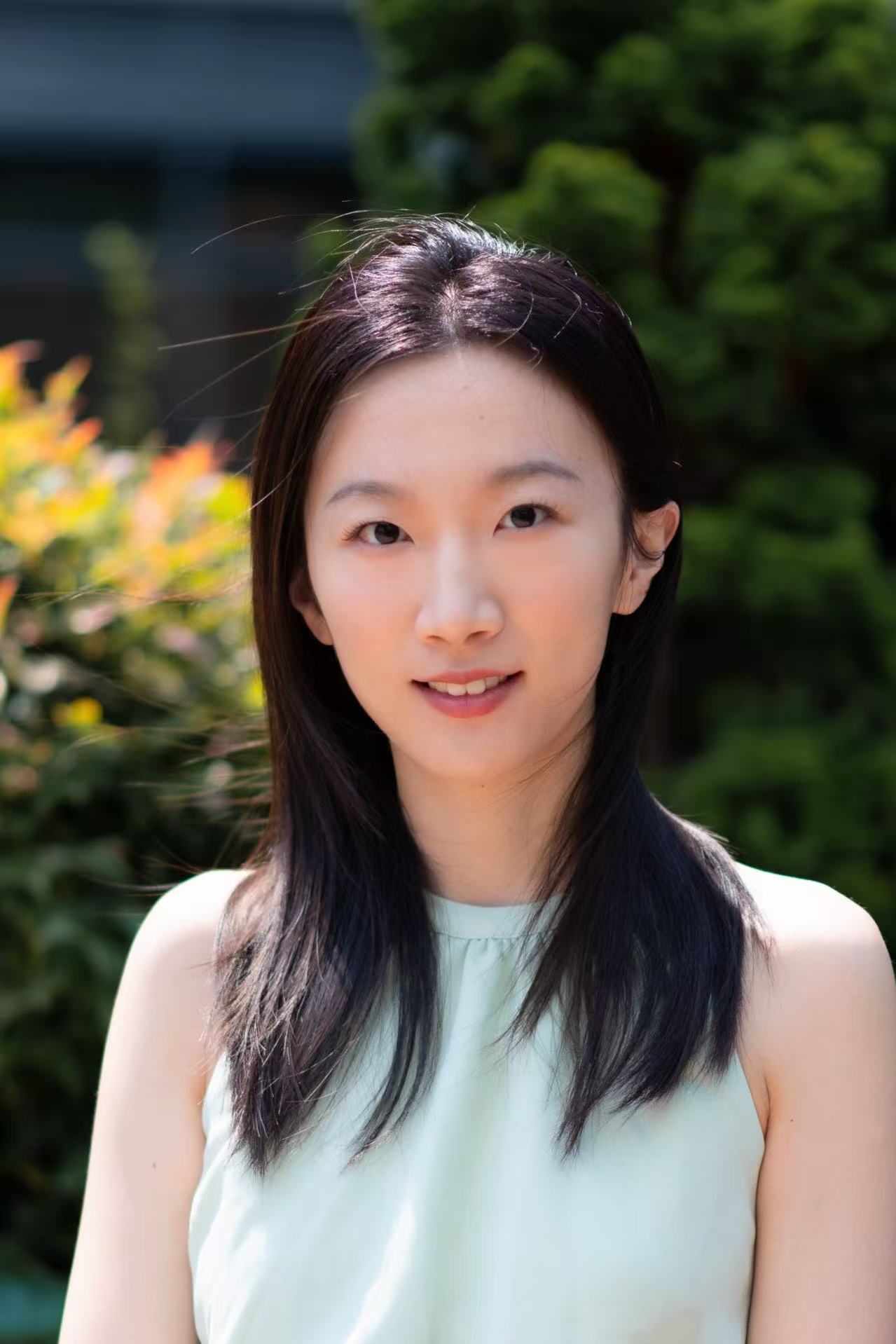
I have always been curious about how the human mind works. How do we form our interpretations of the world? How do we make sense of people who are different from us? Why do we become attached to certain beliefs, even when they no longer serve us? What motivates us? And how do we come to understand ourselves?
For a long time, these were simply the questions my mind returned to on its own. It wasn’t until my sophomore year of college, when I took Introduction to Psychology to fulfill an elective requirement, that I realized there was an entire field devoted to what I had been doing intuitively all along. Sitting in that classroom felt strangely familiar—almost like coming home. I immediately changed my major from business to psychology.
As my interest deepened, I became drawn to helping people who were struggling with their mental health, which led me toward clinical psychology. I followed that curiosity through college and graduate school, studying the dynamics between people and the patterns within them. In both my research and clinical work, I became especially interested in interpersonal relationships and personality: how we relate to others, how we experience ourselves, and how those two things continually shape one another.
In 2023, I went to Stanford to complete a postdoctoral fellowship and later stayed on as a faculty member. My work in Silicon Valley began at a watershed moment in the development of artificial intelligence. Generative AI had suddenly entered everyday life. People could communicate with AI chatbots in natural language and ask them to complete, within minutes, tasks that might once have taken a person hours.
The possibilities were extraordinary. So were the anxieties. Many of the people I worked with were in the tech industry. I watched some of them confront a new kind of existential uncertainty. If AI could write code, solve technical problems, and work at an ever-increasing speed, where did that leave them? What did they still contribute? How could they continue to prove their value?
AI was supposed to reduce our burdens, yet in many ways that did not seem to be the case. Instead of sitting back and enjoying the fruits of technological progress, many people felt pressure to move even faster—to match the speed and demonstrate that they were still useful. For people working inside large systems, this often came with a profound fear of losing their value, relevance, or competitiveness.
In July 2026, I left Stanford. Not because I stopped believing in the value of psychologists. On the contrary, I firmly believe that genuine human connection is irreplaceable and will only become more valuable as AI becomes better at helping us accomplish tasks. What makes humans stand out is increasingly defined less by what we are capable of doing and more by our ability to connect and form relationships with one another.
I left because I wanted to participate in this period of AI development while the possibilities of our future with AI were still taking shape. I wanted to work at a more systemic level: to help humans and AI collaborate more effectively, and to help AI understand and serve people more thoughtfully.
I do not want us to become trapped in a cycle of appreciating what AI can do while simultaneously fearing that it will replace us. I want AI to serve our individual needs, values, and personalities. I want our work to express more of who we are instead of making us feel like faceless parts of an enormous system. I want technology to help us exercise more agency over the lives we create.
I became dissatisfied with repairing individual leaks when the real problem lay in the water pressure of the entire system. I wanted to build, create, and take part in the game. I wanted to practice what I was encouraging others to do in my clinical work.
This also requires us to reconsider some deeply rooted beliefs about productivity. I want people to stop seeing the effort to master a skill—or simply become better at something—as a sacrifice that is wasted unless it can eventually be used or monetized. That belief makes sense only from a strictly utilitarian, outcome-driven perspective, and it may serve us even less in the age of AI. In my view, shifting from an outcome-driven mindset to a process-based one may be one of the keys to happiness in this new era.
If you enjoy the process of doing something, why should it matter that AI can do it too?
Perhaps AI should serve as a wake-up call for us to make more decisions for ourselves. As AI expands our choices and helps us accomplish more, we will need to think more carefully about what gives our lives meaning. And thanks to AI, someone without a technical background—someone like me—can also become a builder.
That is why I co-founded Memova, with the mission of helping AI understand and align with humans by taking into account who we are as individuals. Through the experience we are building, we hope to help people continuously clarify their values, motivations, passions, working styles, and the conditions that allow them to thrive. We then want to help AI agents carry that understanding into the ways they support each person’s work and life.
I cannot claim to have the solution to all the questions that brought me here. What we are building is continually shifting, evolving, and growing. So is my own thinking. But I want to begin. I want to take part in creating a future in which technology does not diminish our humanity, but gives us more freedom to express it.
If any part of this vision resonates with you, I would love to connect. It is always a joy to meet a new friend over shared passions.